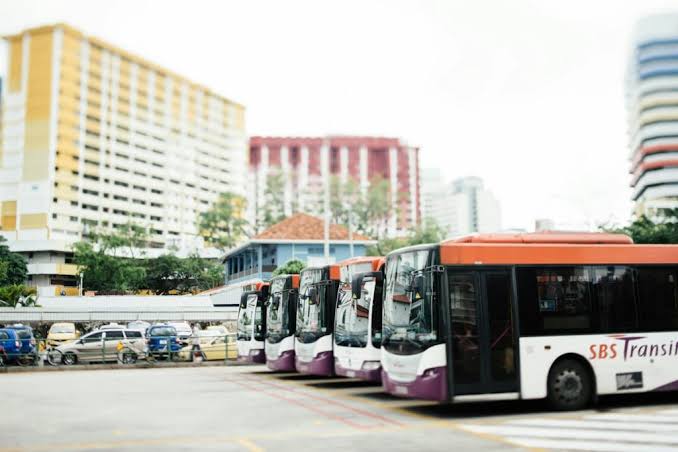
Transportation connectivity is one of the single most influential factors when purchasing property in Singapore. Whether you rely entirely on the Mass Rapid Transit (MRT) network or drive daily via expressways, the ease of moving across the island dictates both your daily convenience and your property’s long-term appeal. For prospective buyers evaluating different parts of the city, comparing the transit dynamics of established urban districts with expanding regional hubs reveals distinct lifestyle advantages.
Let us examine how transit planning, accessibility, and commuting patterns influence residential choices across the island.
The Convenience of Central Mass Rapid Transit Networks
Living in established central or city-fringe locations offers unparalleled transit advantages. Neighborhoods situated close to the urban core are typically served by multiple MRT interchange stations, allowing residents to reach nearly any part of the island with minimal transfer times.
For professionals working in the financial district or commercial belts, a central address near Dorset Gardens minimizes daily transit fatigue. Stepping out to an MRT station that connects directly to multiple lines provides immense flexibility for both work commutes and evening social engagements. Beyond rail transit, central districts benefit from dense bus routes and quick access to major arterial roads, making ride-hailing services and taxi availability exceptionally high throughout the day.
However, high-density transit nodes also mean bustling platforms and busy pedestrian corridors during peak hours. Urban transit living is fast-paced, efficient, and ideally suited for those who prioritize time-saving proximity above all else.
The Evolution of Regional Transit and Northern Connectivity
In contrast, residential enclaves in the northern sector, such as Clovelle of Woodlands, showcase how decentralized urban planning transforms outer districts into highly accessible nodes. Woodlands has evolved into a major regional transport gateway, featuring robust MRT connections, integrated bus interchanges, and upcoming cross-border rail links.
For families and residents living in regional hubs, public transport planning focuses on seamless intra-town mobility and direct connections to regional employment centers. The expansion of the Thomson-East Coast Line and North-South Line provides northern residents with direct, reliable routes down into the city center while offering a less congested boarding experience compared to central interchanges. Furthermore, the emphasis on pedestrian-friendly overhead links, cycling paths, and comprehensive park connectors makes local transit within the neighborhood safe and pleasant.
The commuting experience here is generally calmer, providing a relaxing transition between home and the workplace.
Assessing Your Daily Commuting Profile
When choosing where to buy, analyzing your personal travel habits is crucial. Ask yourself these practical questions:
- What is your primary mode of transport? If you depend heavily on the train network for daily office commutes, proximity to an active MRT station is non-negotiable.
- Where are your regular destinations? Consider not just your workplace, but also where you visit family, where your children attend school, and your preferred weekend leisure spots.
- How do you handle peak-hour transit? Some buyers thrive in the vibrant energy of central interchanges, while others prefer the more spacious and relaxed boarding environment found in regional stations.
Making Connectivity Work for Your Lifestyle
Ultimately, a property’s connectivity should serve to simplify your life rather than add stress. Whether you value the immediate multi-line access found around Dorset Gardens or the comprehensive regional transport network anchored by Clovelle of Woodlands, understanding how you move through Singapore will guide you to the right neighborhood.
Take time to simulate your daily commute during peak hours before making a final commitment. Experiencing the train frequency, walking distances, and surrounding environment firsthand ensures that your chosen home supports a smooth and efficient daily routine for years to come.